

Blockchain crypto mining is one of the most critical processes powering the global cryptocurrency ecosystem. It plays a central role in securing decentralized networks, validating transactions, and generating new digital assets such as Bitcoin and other mineable cryptocurrencies. As interest in blockchain technology and crypto investment continues to grow, mining remains a high-value topic with strong advertiser demand.
At its core, crypto mining is the process of using computational power to solve complex mathematical algorithms. These calculations verify blockchain transactions and add new blocks to the distributed ledger. In return, miners earn block rewards and transaction fees, making crypto mining both a technical and financial opportunity.
One of the most popular mining models is Proof of Work (PoW), which is used by major cryptocurrencies like Bitcoin. PoW requires miners to compete using high-performance hardware such as ASIC miners and GPU rigs. This competition ensures network security while preventing fraud, double spending, and unauthorized data manipulation.
The profitability of blockchain crypto mining depends on several key factors, including electricity costs, hardware efficiency, hash rate, and market price volatility. Regions with access to low-cost energy and stable infrastructure often become global mining hubs, attracting institutional investors and large-scale mining farms.
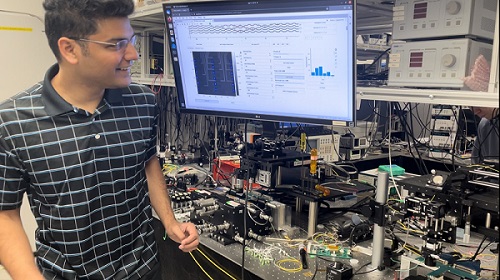
Technological innovation continues to reshape the mining industry. Advanced crypto mining hardware, energy-efficient chips, and liquid cooling systems are helping miners reduce operational costs and improve long-term profitability. These developments also attract enterprise-level advertisers focused on mining equipment, data centers, and cloud infrastructure.
Sustainability has become a major focus in modern crypto mining. Many blockchain networks and mining companies are shifting toward renewable energy sources, such as hydroelectric, solar, and wind power. Green mining solutions not only reduce environmental impact but also improve brand credibility and regulatory compliance.
Beyond Bitcoin, alternative cryptocurrencies offer different mining algorithms and lower entry barriers. GPU-friendly coins allow individual miners to participate without massive upfront investment, making crypto mining more accessible to retail investors seeking diversified digital income streams.
Cloud mining has also gained traction as a lower-risk option. By renting mining power from established providers, users can avoid hardware maintenance while still participating in blockchain mining rewards. This model attracts new users and supports high CPC keywords related to passive income and crypto services.
Despite its potential, crypto mining faces regulatory and economic challenges. Governments worldwide are introducing new regulations related to energy consumption, taxation, and digital asset reporting. Successful miners must stay informed and compliant to protect their investments and ensure long-term sustainability.
Conclusion: The Future of Blockchain Crypto Mining
Blockchain crypto mining remains a foundational pillar of decentralized finance and digital asset security. While competition and regulation continue to evolve, innovation, renewable energy adoption, and technological efficiency are driving the industry forward. For investors, miners, and blockchain enthusiasts, crypto mining offers both opportunity and responsibility—making it a powerful force shaping the future of the global financial system.